

A certificate is, at first glance, a simple document, a name, a course, a date, perhaps a seal or signature. Yet behind that modest piece of paper lies a more consequential question: What, precisely, does it prove?
In an age where learning has become increasingly accessible, credentials have augmented with remarkable speed. Micro-courses, professional training, online programs, and digital certifications now give individuals and organizations practical avenues for skills development, professional development, and workforce upskilling. This abundance is valuable, but it presents an equally important difficulty: when credentials grow ample, detecting credibility becomes more difficult.
It is in this context that the partnership between UpskillNowPH and FilPass assumes its significance. By strengthening the process through which certificates and micro-course credentials can be authenticated and verified, the partnership addresses a concern that is easy to overlook but fundamental to the integrity of modern learning.
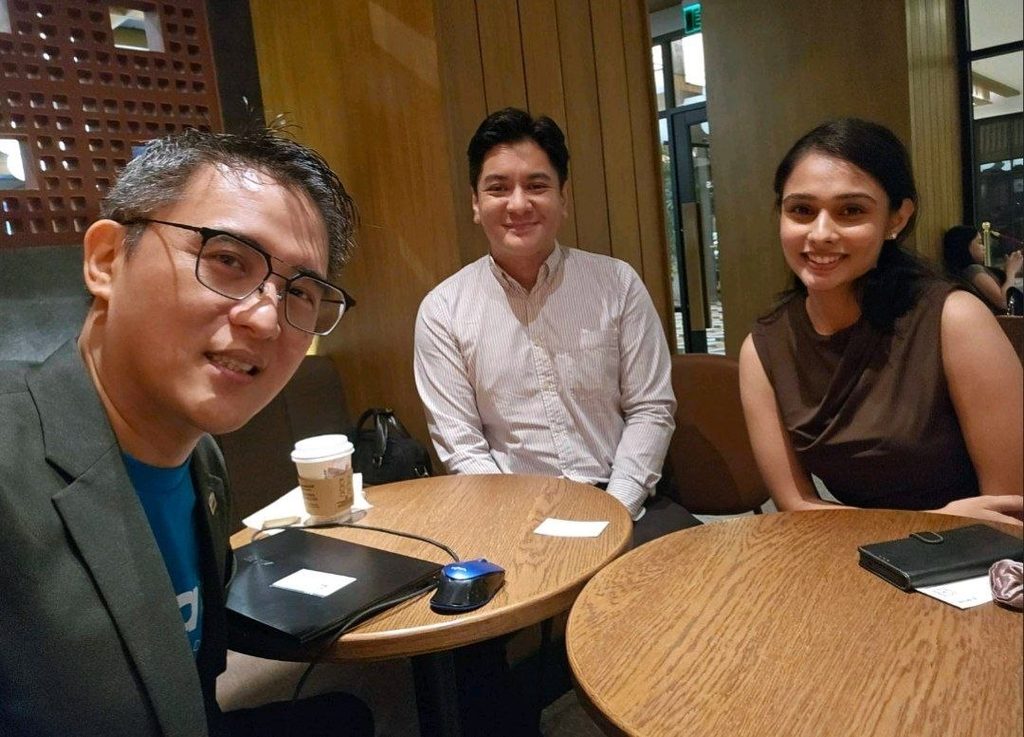
For learners, legitimate certification is more than a ceremonial conclusion to a course. It is a record of effort, participation, and acquired knowledge. When credentials can be readily verified, learners are better positioned to present their accomplishments with confidence to employers, institutions, and professional communities. The certificate does not merely indicate that something was completed; but becomes a verifiable simulacrum of learning.
For businesses, the value is equally practical. Organizations, as industries evolve, are placing greater emphasis on corporate learning and employee training to build the capabilities that changing demands require. Through online learning platforms, digital learning solutions, and structured workforce development programs, employees can acquire new competencies without stepping away from the realities of their work.
Yet these systems are built upon the plinths of trust. Employers and institutions may encounter an expanding collection of certificates from different courses, providers, and learning environments. Determining the authenticity of every document manually is, frankly, time and energy-consuming. A streamlined verification process offers a more orderly alternative. Rather than asking organizations to accept every credential at face value, it gives them a practical means through which legitimacy can be rightfully established.
The partnership between UpskillNowPH and FilPass therefore addresses a problem more serious than administrative inconvenience—it concerns whether credentials can still be relied upon when the number of them continues to grow. Corporate training, employee upskilling, reskilling, and online learning have little value if the achievements they produce cannot be properly established. The principle is simple and unforgiving. A credential must be more than evidence that a certificate was issued. It must provide grounds for believing that the achievement behind it is real.
A certificate ought not to ask for trust merely because it bears the appearance of authority. Its worth lies in whether its claim can withstand examination. As credentials multiply across digital learning, corporate training, and workforce development, the distinction becomes less a matter of form than of judgment. Through their partnership, UpskillNowPH and FilPass place verification where it properly belongs, at the foundation of the credential itself.What has been learned should be capable of being shown, and what is shown should be capable of being proved.